Beyond Whipped Cream: How Bartenders Use iSi Whippers for Rapid Infusions and Cocktail Foams


Most people see an iSi whipper and immediately think of whipped cream. Behind a modern cocktail bar, however, that stainless-steel canister can become a powerful tool for developing flavor, aroma, and texture.
Bartenders commonly use iSi whippers for:
The goal is not to use an iSi whipper simply because the technique looks impressive.
Like any bar tool, it should solve a problem or improve the guest’s experience.
Rapid Infusion: Flavor in Less Time
Traditional spirit infusions can take hours, days, or even weeks. Rapid infusion uses pressure to accelerate the interaction between a spirit and ingredients such as fruit, herbs, tea, citrus peels, or cacao nibs.
When the pressure is carefully released, aromatic compounds and infused liquid are pulled back out of the ingredients. This can produce a fresh, expressive infusion in considerably less time than a traditional method.
Rapid infusion is especially useful for:
Testing cocktail ideas during R&D
Capturing fresh fruit and herbal aromas
Producing small experimental batches
Working with ingredients that may become bitter during long infusions
Developing a drink without waiting several days

Cacao nibs, berries, citrus peels, and certain fresh herbs can work particularly well. Dense roots and woody spices may require more time, heat, or a different extraction method.
Rapid infusion is not automatically better. It is simply another technique available to the bartender.
Creating Cocktail Foams
Rapid infusion changes the flavor inside a cocktail. Foam changes how the guest experiences it.
A thoughtfully designed foam can provide aroma before the first sip, introduce a contrasting texture, and allow a cocktail’s flavor to gradually evolve.
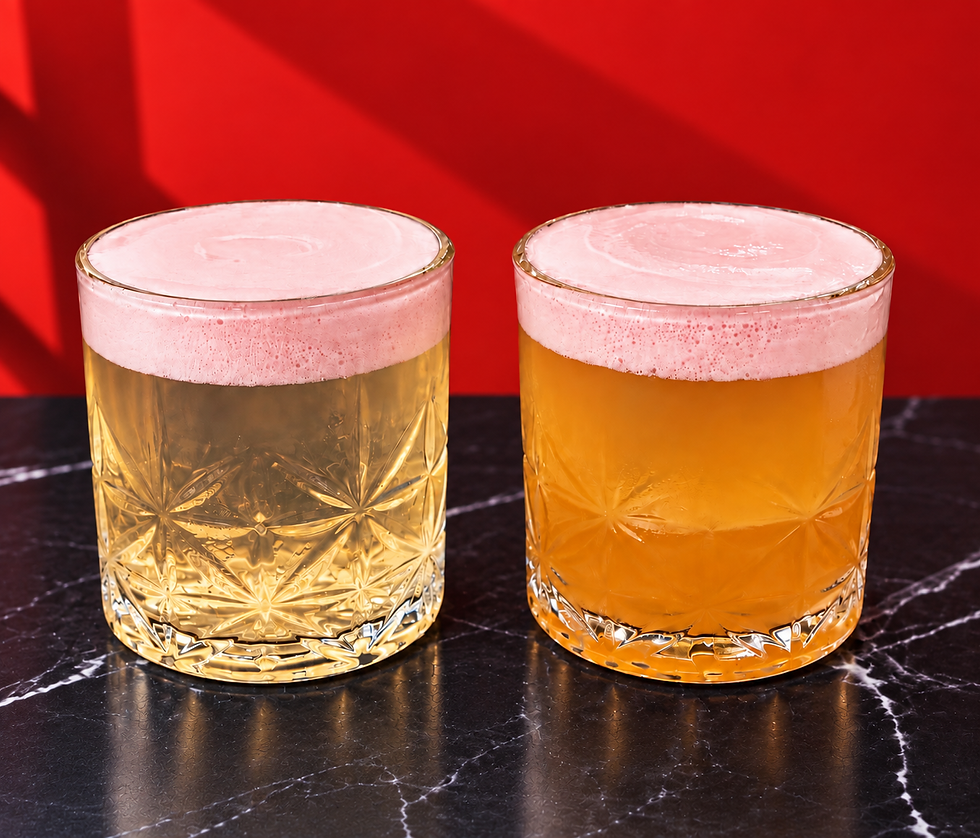
Lighter egg-white foams work well with sours, Margaritas, tropical drinks, sparkling cocktails, and clarified punches. Possible flavor directions include mango and vanilla, strawberry and basil, pear and orange blossom, or blueberry and lavender.
Cream-based foams are richer and better suited to drinks containing coffee, chocolate, aged spirits, baking spice, or bitterness. Salted vanilla, toasted coconut, crème brûlée, dark chocolate and orange, or mascarpone can all inspire dessert-style toppings.
The important question is not, “Would foam look good on this cocktail?”
The better question is, “What does this cocktail need that the foam can provide?”
If the drink is already rich and sweet, a heavy foam may make it exhausting. If the cocktail lacks aroma or texture, a lighter foam might complete it.
What Makes a Foam Work?
A successful cocktail foam depends on more than flavor.
Its structure can be affected by:
Thickness
Sugar
Acidity
Fat
Temperature
Fruit purée
Filtration
Charging and resting
A mixture that is too thin may dispense as liquid and collapse. A mixture that is too thick may become difficult to dispense or clog the valve.
Every purée, syrup, liqueur, and dairy product behaves differently. The first attempt should be treated as a controlled test. Record what you used, taste the result, and adjust one variable at a time.
That process is what turns a creative experiment into a repeatable recipe.
Behind-the-Bar Practicality

A beautiful foam still needs to survive an actual night of service.
Cold foams should be thoroughly chilled, carefully strained, and tested before being dispensed over a finished cocktail. The whipper should be labeled with its contents, preparation date, and common allergens.
The recipe should also account for storage, speed, consistency, and cleaning. If a technique cannot be executed reliably during service, it may need to be simplified.
Never use foam to hide an unbalanced cocktail. The drink underneath should always work on its own.
Essential Safety
An iSi whipper is pressurized equipment and must be treated accordingly.
Always follow the instructions for your specific model, use the correct chargers, and never exceed the maximum fill line. Completely depressurize the canister before attempting to open it.
Foam mixtures should be thoroughly strained to prevent seeds, pulp, or solids from obstructing the valve. Dairy and egg preparations must remain properly refrigerated, and every component should be cleaned after use.
Creativity never outweighs safety.
Final Takeaway
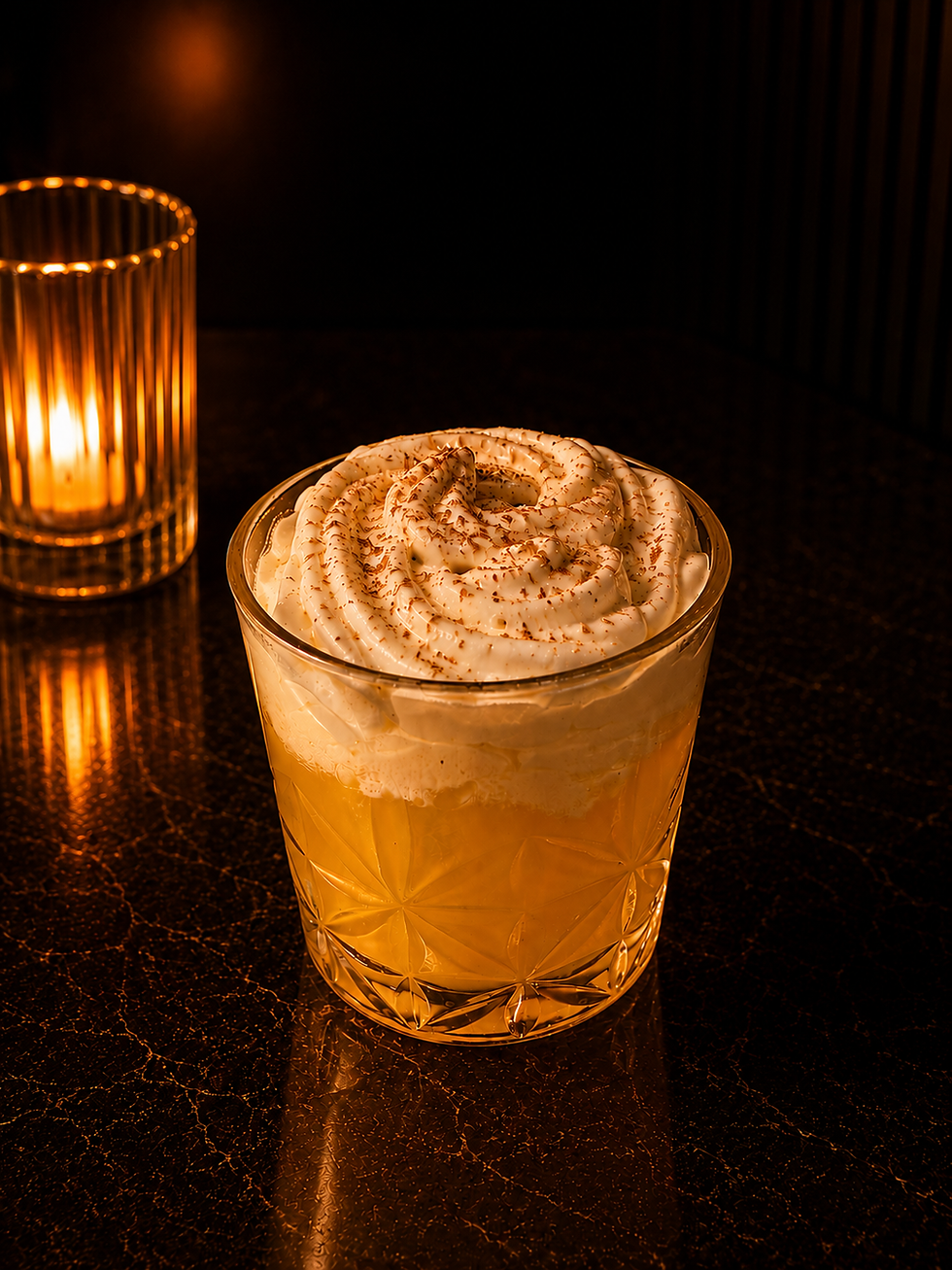
An iSi whipper is far more than a whipped-cream dispenser. Used intentionally, it can rapidly capture flavor, create aromatic cocktail toppings, and introduce textures that change the way a guest experiences a drink.
The technique should always serve the cocktail. When it improves the flavor, aroma, texture, or overall experience, it becomes more than a visual trick. It becomes another valuable tool behind the bar.
Join the Saints & Spirits Community
Follow Saints & Spirits for more behind-the-bar insights, modern cocktail techniques, menu inspiration, and a closer look at the creative process behind building memorable drinks.
Whether you are a bartender, cocktail enthusiast, or someone who simply appreciates a well-made drink, there is always something new to discover.
Planning an Event?
Thinking about throwing an event? Let’s collaborate and create a custom cocktail menu that fits your guests, theme, and vision.
From private parties and celebrations to cocktail classes and interactive experiences,
Saints & Spirits brings more than bartending to the bar. We create drinks worth remembering and cocktails worth confessing.



Comments