Split-Base Cocktails: How Two Spirits Create a Better Drink

Updated: Aug 14
Some cocktails are built around one spirit. Others become more interesting when two spirits share the spotlight.
This is called a split base, a technique where the traditional base spirit is divided between two different spirits. Instead of building a drink with 2 ounces of bourbon, for example, a bartender might use 1 ounce of bourbon and 1 ounce of aged rum.
The goal is not simply to make the cocktail stronger or more complicated. A good split base combines two spirits that contribute different qualities to the same drink.
One brings structure. The other brings character.
What Is a Split-Base Cocktail?
The base spirit normally provides most of a cocktail’s alcohol, body, and identity. In a split-base cocktail, that role is shared.
A simple example would be:
1 oz reposado tequila
1 oz mezcal
The tequila delivers roasted agave, citrus, and pepper. The mezcal contributes smoke, earth, and savory depth. Together, they create a more layered agave profile than either spirit would deliver alone.
The total amount of base spirit often stays the same. You are redistributing it, not automatically adding more alcohol.
Split bases are one of my favorite tools when developing cocktails. I use this technique frequently while creating new drinks each week at Melinda’s Alley, a speakeasy in downtown Phoenix. It allows me to build layers of flavor, control stronger characteristics like smoke or funk, and give familiar cocktail structures a more original identity.
Why Split the Base?

Split bases give bartenders greater control over a cocktail’s flavor.
They can be used to:
Add complexity without adding another sweet modifier
Introduce a bold spirit without allowing it to dominate
Balance smoke, heat, funk, oak, or botanical intensity
Connect two different flavor families
Make a familiar classic feel completely new
Adjust the weight and texture of a cocktail
This technique is especially useful when a full pour of one spirit would be too aggressive.
Two ounces of a heavily peated Scotch might overwhelm a drink. A half-ounce paired with Irish whiskey, bourbon, or aged rum can introduce controlled smoke while preserving balance.
The same principle applies to high-ester Jamaican rum, overproof spirits, mezcal, aquavit, and intensely botanical gin.
Split Bases Are About Roles
Before combining two spirits, decide what each one is supposed to do.
One spirit may provide the cocktail’s foundation:
Body
Familiarity
Oak
Softness
A clean finish
The second spirit may provide an accent:
Smoke
Funk
Spice
Minerality
Grassy notes
Botanical complexity
This is why a split base does not always need to be divided evenly.
Common Starting Ratios
Equal split
1 oz Spirit A
1 oz Spirit B
Use this when both spirits deserve equal presence.
Primary and supporting split
1.5 oz primary spirit
0.5 oz supporting spirit
This is often the safest place to begin when working with mezcal, overproof rum, peated Scotch, or another assertive spirit.
Subtle accent
1.75 oz primary spirit
0.25 oz accent spirit
Use this when you want the second spirit to appear mainly in the aroma or finish.
Start conservatively. You can always increase the louder spirit during R&D.
Spirit Combinations That Work
Tequila and Mezcal
This is one of the most recognizable split bases.
Tequila offers bright agave, pepper, and citrus. Mezcal brings smoke, earth, roasted fruit, and minerality.
Try it in:
Margaritas
Palomas
Old Fashioned riffs
Negroni-style cocktails
Pineapple and tropical drinks
A strong starting point is 1.5 ounces tequila with 0.5 ounce mezcal.
Light Rum and Jamaican Rum
Light rum keeps the cocktail clean and approachable. Jamaican rum adds ripe banana, molasses, spice, and fermented fruit notes.
Try it in:
Daiquiris
Mai Tais
Mojito riffs
Pineapple drinks
Tropical punches
If the Jamaican rum is especially funky or overproof, begin with a smaller supporting pour.
Bourbon and Aged Rum

Bourbon contributes vanilla, caramel, oak, and baking spice. Aged rum adds molasses, tropical fruit, and a rounder texture.
This pairing works beautifully in:
Old Fashioneds
Manhattans
Boulevardier riffs
Coffee cocktails
Banana or coconut drinks
Rye and Cognac
Rye provides dryness, spice, and structure. Cognac brings fruit, floral notes, and richness.
This combination can make a stirred cocktail feel both powerful and elegant. The classic Vieux Carré is an excellent example of multiple base spirits working together with vermouth, Bénédictine, and bitters.
Gin and Aquavit
Gin supplies citrus, juniper, and botanicals. Aquavit introduces caraway, dill, fennel, and savory spice.
This pairing works well with:
Cucumber
Apple
Pear
Lemon
Celery
Herbal liqueurs
Aquavit can become dominant quickly, so a 1.5-ounce gin and 0.5-ounce aquavit split is a smart starting point.
Start With a Classic
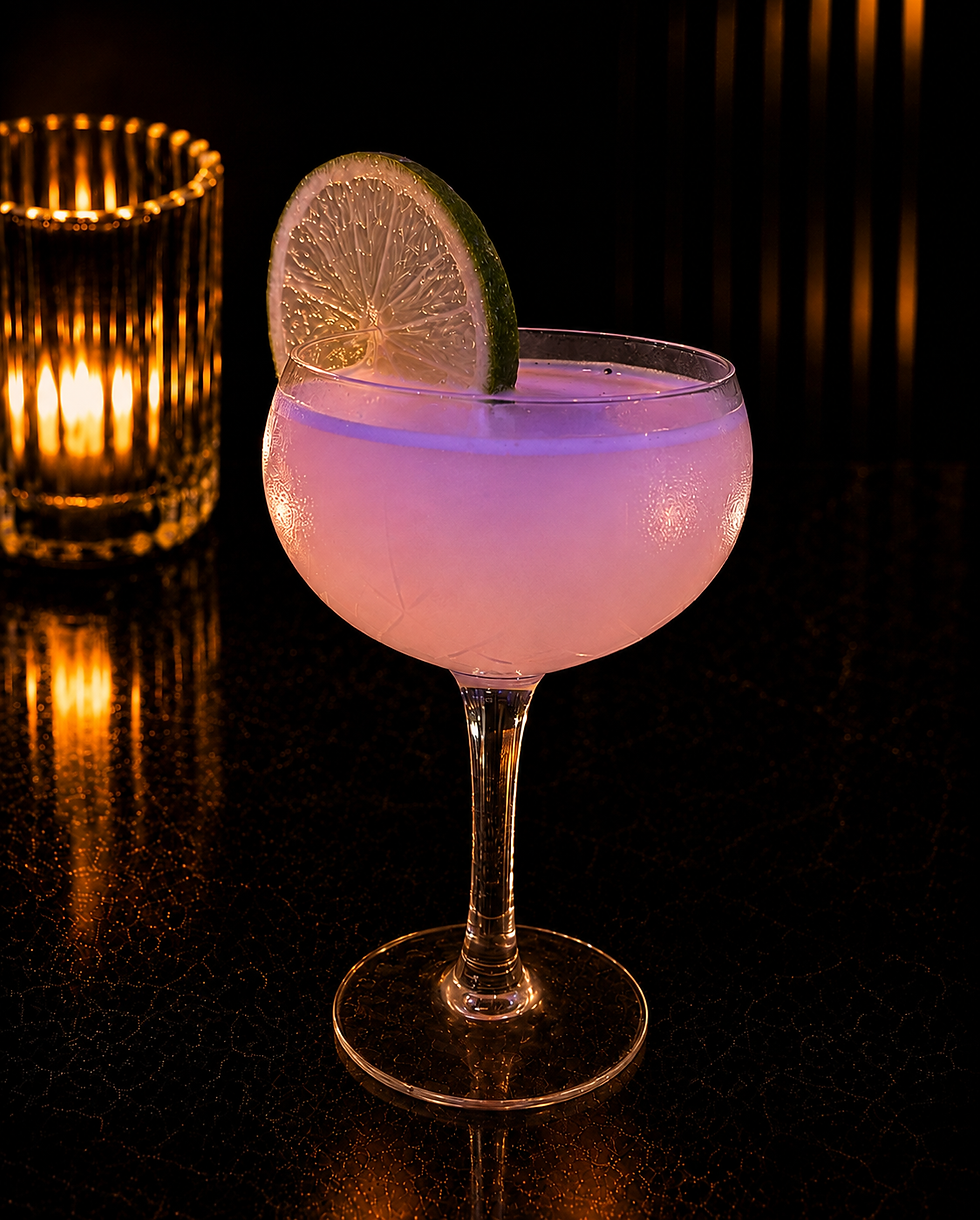
One of the easiest ways to understand split bases is to begin with a proven cocktail.
Take a standard Daiquiri:
2 oz rum
0.75 oz lime juice
0.75 oz simple syrup
Now divide the base:
1.5 oz lightly aged rum
0.5 oz Jamaican rum
0.75 oz lime juice
0.75 oz simple syrup
The cocktail retains the recognizable structure of a Daiquiri, but the second rum adds depth, aroma, and a longer finish.
This approach allows you to experiment without rebuilding the entire drink at once.
A Simple Split-Base Formula
Use this framework during R&D:
1.5 oz approachable base spirit
0.5 oz character-driven spirit
0.75 oz citrus
0.5 to 0.75 oz sweetener or modifier
Bitters, saline, or aromatics as needed
Taste the cocktail before adding more ingredients.
If the second spirit disappears, increase it slightly. If it takes over the entire drink, reduce it. The correct ratio is determined by flavor intensity, not symmetry.
Common Mistakes
Combining Spirits Without a Purpose
Two spirits do not automatically create complexity. If they contribute nearly identical flavors, the split may not improve the cocktail.
Each spirit should have a clear role.
Using Too Many Loud Ingredients
Mezcal, overproof Jamaican rum, amaro, spiced syrup, and aromatic bitters might all taste exciting individually. Together, they can compete for attention.
A split base already creates complexity. Give it enough space to be understood.
Ignoring Proof
Two spirits with different alcohol levels can change the cocktail’s heat, dilution, and texture.
A split involving an overproof spirit may require a smaller pour or slightly more dilution.
Defaulting to a 50/50 Split
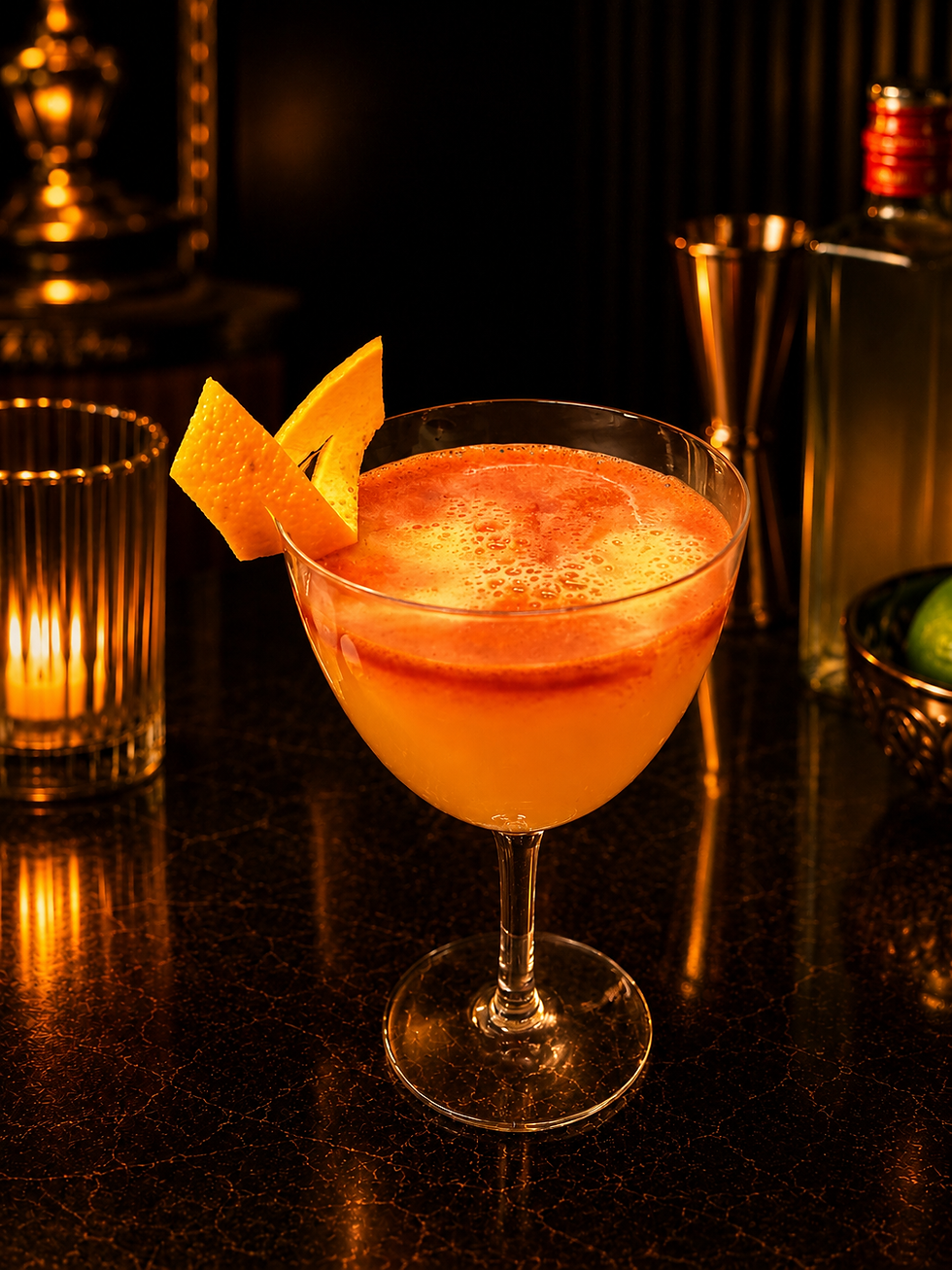
Equal portions are easy to remember, but they are not always balanced.
Build according to intensity. A delicate reposado and a powerful mezcal probably should not receive equal billing unless the drink is designed around the smoke.
Saints & Spirits Pro Move
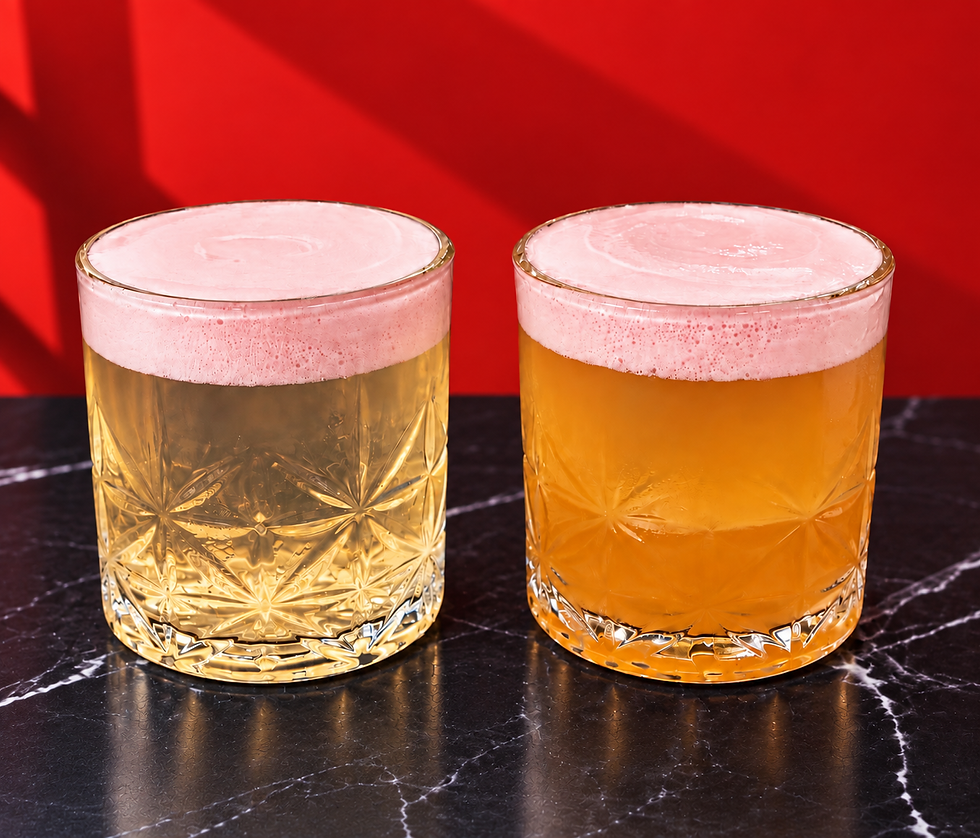
When testing a split base, make the original version and the split-base version side by side.
Keep the citrus, sweetener, dilution, and garnish exactly the same. Change only the base spirits.
This makes it easier to identify what the second spirit actually contributes. Once you understand that change, you can begin adjusting the rest of the drink.
Final Takeaway
A split-base cocktail should not taste like two spirits fighting for attention. It should taste like a more complete version of one idea.
Use one spirit to establish the foundation and the second to introduce contrast, depth, or a controlled edge. Start with a familiar classic, assign each spirit a purpose, and adjust the ratio according to intensity.
When executed correctly, the drink does not simply become more complicated.
It becomes more intentional.
Join the Saints & Spirits Community
Want to take your cocktail knowledge beyond the basic recipe?
Join the Saints & Spirits community for professional techniques, original recipes, behind-the-scenes R&D, event inspiration, and a deeper look at what goes into creating cocktails with intention.
Follow along, experiment with us, and bring a little speakeasy-level creativity into your own glass.
Bring the Saints & Spirits Experience to Your Event
Give your guests more than drinks. Give them a craft cocktail experience.
Saints & Spirits brings sleek, professional mobile bartending, custom cocktail menus, and speakeasy-level creativity directly to private parties, celebrations, and special events.
Ready to serve something worth confessing?



Comments