What Four Years of Creating a New Cocktail Every Week Taught Me

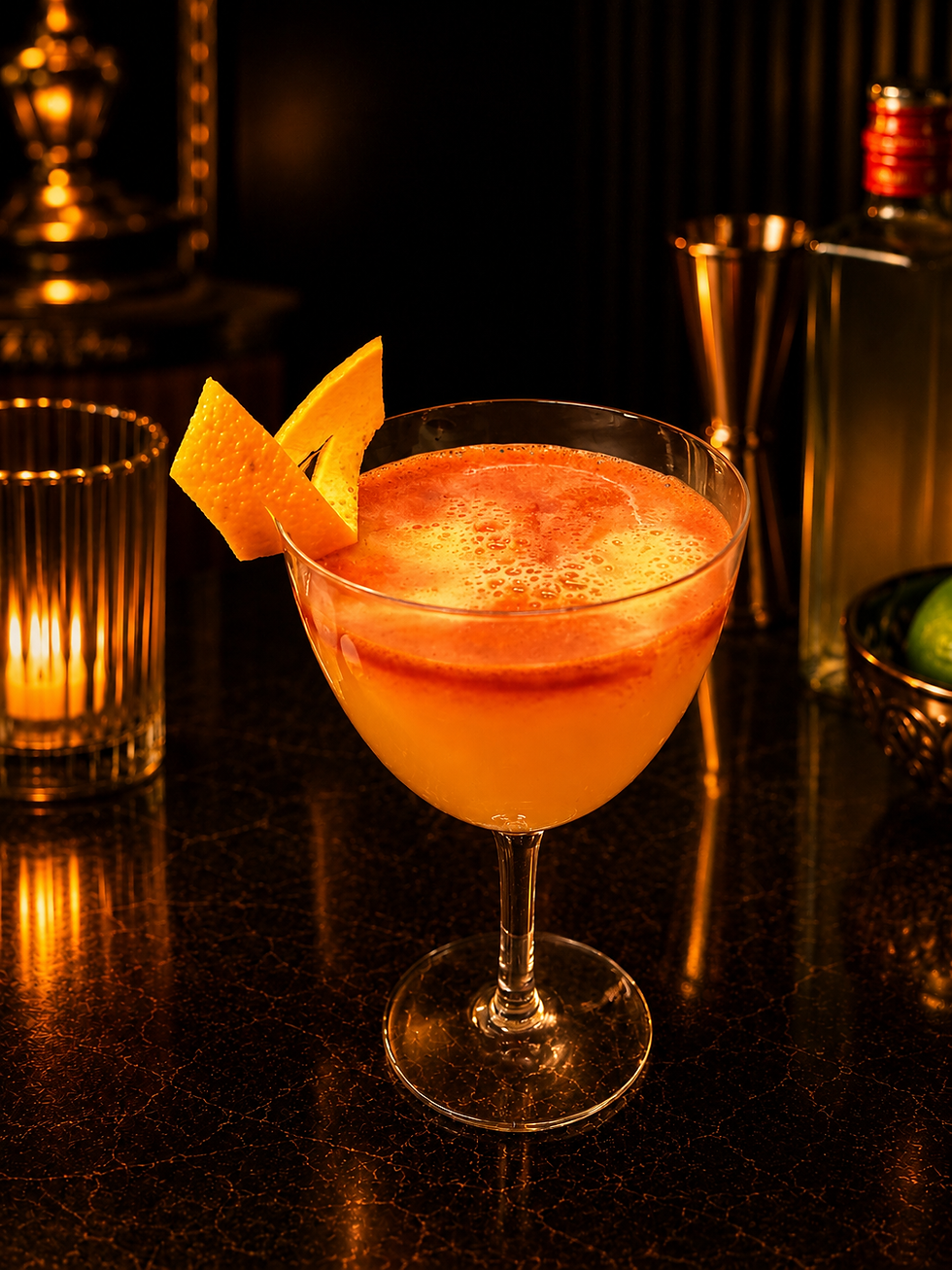
Creating one original cocktail sounds exciting.
Creating another one the following week—and continuing that process for more than four years—teaches you something entirely different.
Working as a mixologist at one of downtown Phoenix’s premier speakeasies has required me to regularly develop new cocktails across vodka, gin, rum, tequila, and whiskey. Each drink needs its own identity, but it also has to be balanced, visually intentional, practical for service, and enjoyable enough that a guest wants to order another.
Over the years, I’ve developed hundreds of original cocktails, experimented with modern techniques, competed in cocktail competitions, and learned from plenty of ideas that didn’t work the first time.
Here are the biggest lessons that weekly cocktail R&D has taught me—and how those lessons shape every Saints & Spirits experience.
1. A Great Idea Is Only the Beginning
Cocktail inspiration can come from almost anywhere: a dessert, a place, a season, a memory, a painting, or even a single ingredient.
But a creative concept doesn’t automatically make a great drink.
The idea still has to translate into the glass. Every ingredient must support the concept while contributing something important to the final cocktail. If an ingredient doesn’t improve the flavor, aroma, texture, or experience, it probably doesn’t belong there.
A drink may begin with a story, but it still has to taste good.
2. Balance Matters More Than Complexity
Some of my earliest cocktail ideas tried to do too much.
More ingredients do not automatically create more depth. In fact, too many competing flavors can bury the base spirit and leave the cocktail without a clear identity.
A well-designed drink creates harmony between:
The base spirit
Sweetness
Acidity
Bitterness
Dilution
Aroma
Texture
Sometimes the final adjustment is only a small amount of citrus, saline, bitters, or syrup. Those details may look insignificant on paper, but they can completely change how a cocktail finishes.
Complexity should come from the way flavors work together—not from how many bottles are on the bar.
3. Every Ingredient Needs a Job
When I evaluate a cocktail, I ask a simple question:
What is this ingredient doing?
A liqueur might bridge the base spirit and fruit. Bitters can provide structure. Saline can soften bitterness and make other flavors more vivid. A foam might carry aroma, introduce texture, or create contrast.
Even the garnish should have a purpose.
If something is only included because it sounds impressive, the drink usually becomes stronger when it is removed.
That discipline has helped me create cocktails that are interesting without becoming confusing.
4. The First Version Is Rarely the Final Version
Cocktail development is a process of adjustment.
A drink may begin too sweet, too acidic, too spirit-forward, or completely different from what I imagined. That doesn’t necessarily mean the idea is bad. It means the recipe needs to be tested honestly.
During R&D, I may adjust:
The ratio of spirit to modifiers
The type or amount of citrus
Syrup concentration
Dilution
Bitters or saline
Glassware and ice
Garnish and aroma
The most important skill isn’t getting everything perfect on the first attempt. It’s recognizing what the drink needs and knowing how to correct it.
5. A Cocktail Must Work During Real Service
A beautiful drink can still fail if it takes too long to prepare, creates unnecessary waste, or cannot be reproduced consistently.
Speakeasy service taught me to evaluate more than flavor. I also consider how quickly the drink can be built, how the ingredients hold throughout the night, and whether another trained bartender can recreate it correctly.
That might mean batching certain ingredients, preparing a cordial in advance, simplifying a garnish, or replacing a delicate component with something more stable.
For private events, this becomes even more important. Guests shouldn’t have to wait in a long line while every drink becomes a ten-minute science experiment.
The goal is to preserve craft-cocktail quality while designing an efficient system behind the
bar.
6. Presentation Creates the First Impression
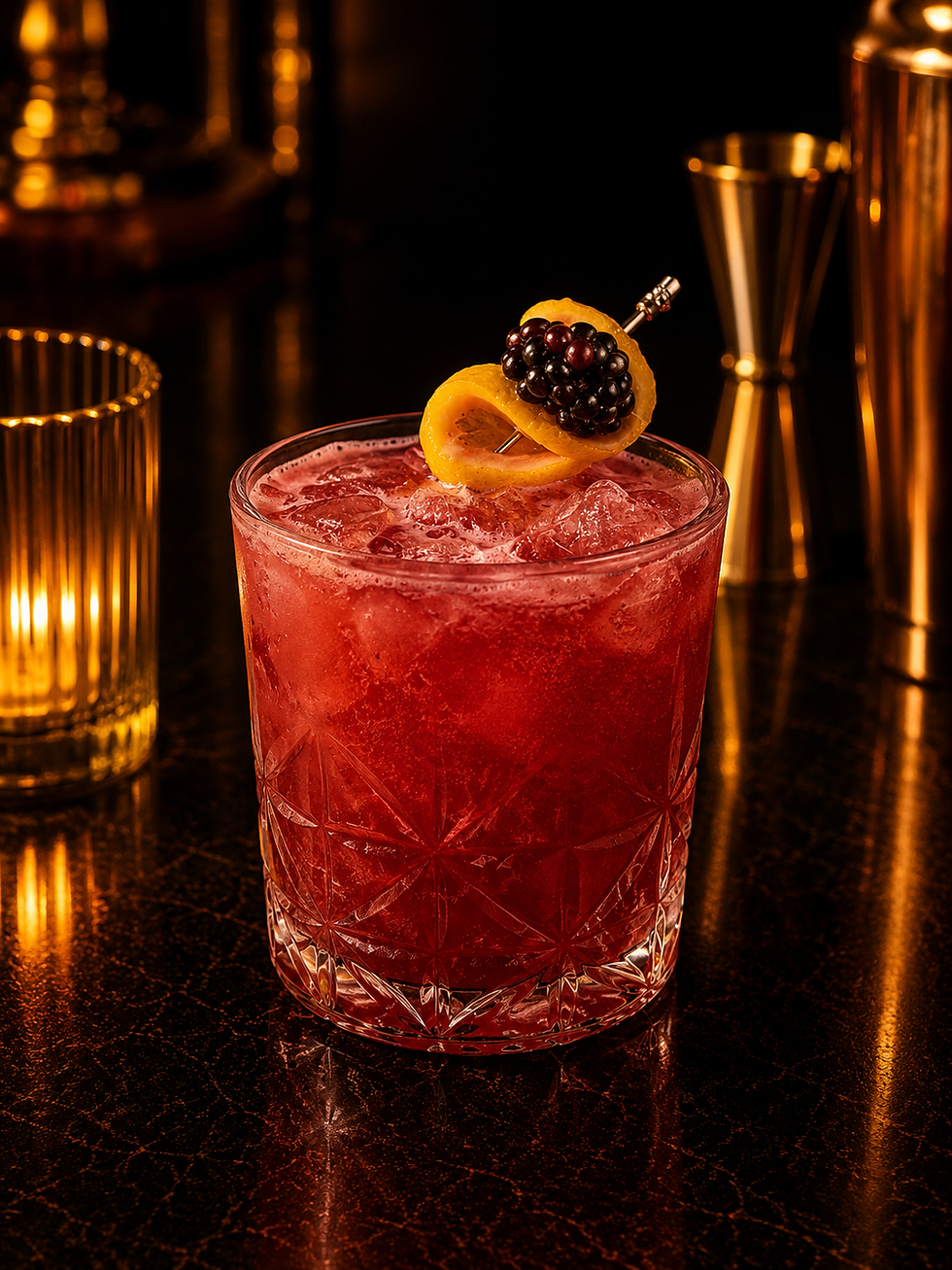
Guests experience a cocktail before they ever taste it.
Glassware, ice, color, garnish, and aroma all shape expectations. However, presentation should look intentional—not overloaded.
A clean citrus expression can be more effective than an oversized garnish. A subtle aromatic mist can create more impact than something placed on the glass simply for decoration.
The best presentation prepares the guest for the flavors they’re about to experience.
7. Technique Should Serve the Cocktail
Clarification, infusions, fat-washing, foams, shrubs, cordials, and other modern techniques can create incredible results.
But technique should never exist only to prove that the bartender knows how to do it.
Clarification might create a smoother texture and cleaner presentation. An infusion can build flavor directly into the spirit. A foam can introduce an aroma or a contrasting finish.
If the technique doesn’t improve the experience, it’s unnecessary.
Knowing when to keep a drink simple is just as important as knowing how to make it complex.
8. Not Every Guest Wants to Be Challenged
Bartenders can sometimes become so focused on originality that we forget who will actually be drinking the cocktail.
Some guests love bitter amari, vegetal spirits, unusual savory ingredients, or bold smoke. Others want something citrus-forward, refreshing, tropical, or familiar.
Neither preference is wrong.
The challenge is creating something approachable without making it predictable. Often, the best event cocktails begin with a familiar structure—a Margarita, Daiquiri, Old Fashioned, Spritz, or Sour—and introduce one or two thoughtful twists.
Originality doesn’t require making the guest work to enjoy the drink.
9. Failure Is Part of R&D
Not every cocktail works.
I’ve created drinks that sounded incredible in theory but tasted unbalanced in the glass. I’ve tested ingredients that fought each other, garnishes that were impractical, and techniques that added unnecessary work without improving the result.
Those failures are valuable.
They teach you how ingredients behave, which flavors naturally connect, and when an idea needs to be simplified or abandoned. Over time, that experience builds instincts that can’t be learned from recipes alone.
R&D isn’t about proving every idea was right. It’s about finding the strongest version of the drink.
10. The Best Cocktails Create a Memory
Guests may not remember every ingredient in a cocktail, but they remember how it made them feel.
They remember the aroma when the drink reached the table, the unexpected flavor that worked, the story behind the recipe, or the moment everyone raised their glasses together.
That’s what I want to create through Saints & Spirits.
Whether I’m developing a cocktail for a speakeasy menu, a competition, a wedding, a birthday, or a private class, the goal is never to simply serve alcohol.
The goal is to create an experience worth remembering.
Bringing the R&D Process to Saints & Spirits
The same process I’ve refined through years of weekly cocktail development now guides every custom Saints & Spirits menu.
I consider the event, the guests, the season, the preferred spirits, the service environment, and the story the host wants to tell. From there, I develop cocktails that are original, balanced, visually intentional, and realistic to execute for a crowd.
Because a signature cocktail shouldn’t just have a custom name.
It should feel like it belongs to your event.
Ready to Create a Cocktail Menu That’s Actually Yours?
Saints & Spirits provides mobile bartending, custom cocktail menu development, private cocktail classes, and elevated beverage experiences throughout Phoenix and surrounding Arizona communities.
Let’s create cocktails your guests will still be talking about after the last pour.
Cocktails Worth Confessing.
Join the Saints & Spirits Community
Want more behind-the-bar stories, original cocktail inspiration, professional techniques, and updates from Saints & Spirits?
Join the community for new blog posts, cocktail recipes, upcoming events, classes, and exclusive Saints & Spirits updates delivered directly to you.



Comments